Systems. Software. Execution.
Make your business systems move as one.
Apex designs and implements the software, automations, integrations, and infrastructure that keep work moving.
What we build
One partner across the systems that run the business.
We find the operational constraint first, then select the right combination of software, automation, integration, and infrastructure to remove it.
Software shaped around the work.
Web apps, portals, internal tools, and APIs designed for the process your team actually runs.
Explore software 02 Connected operations
Automation that clears the handoffs.
Workflows that route, update, and notify automatically — with AI only where judgment is genuinely useful.
Explore automation 03 Infrastructure & dataSystems that agree with each other.
Connect CRM, finance, operations, and reporting so information moves reliably and stays traceable.
Explore integration
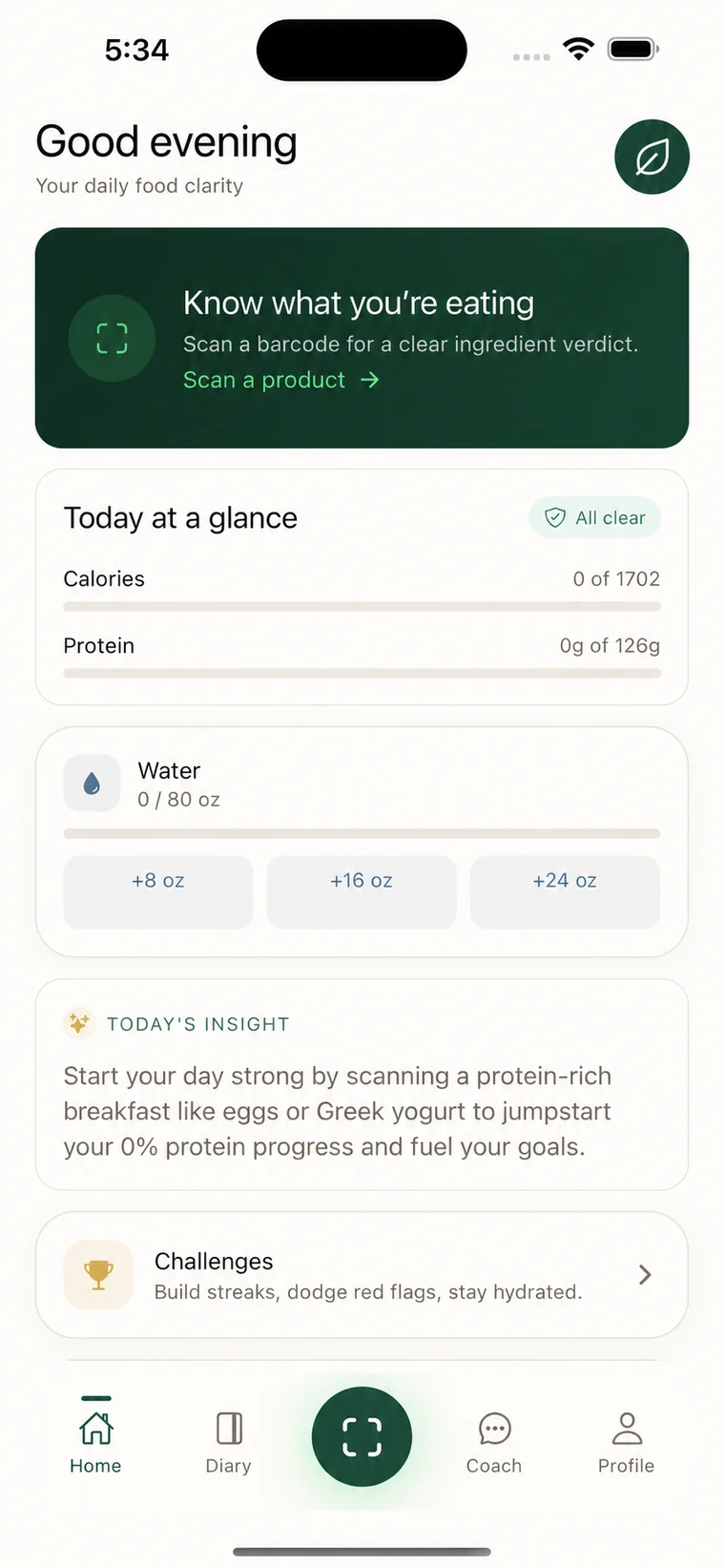
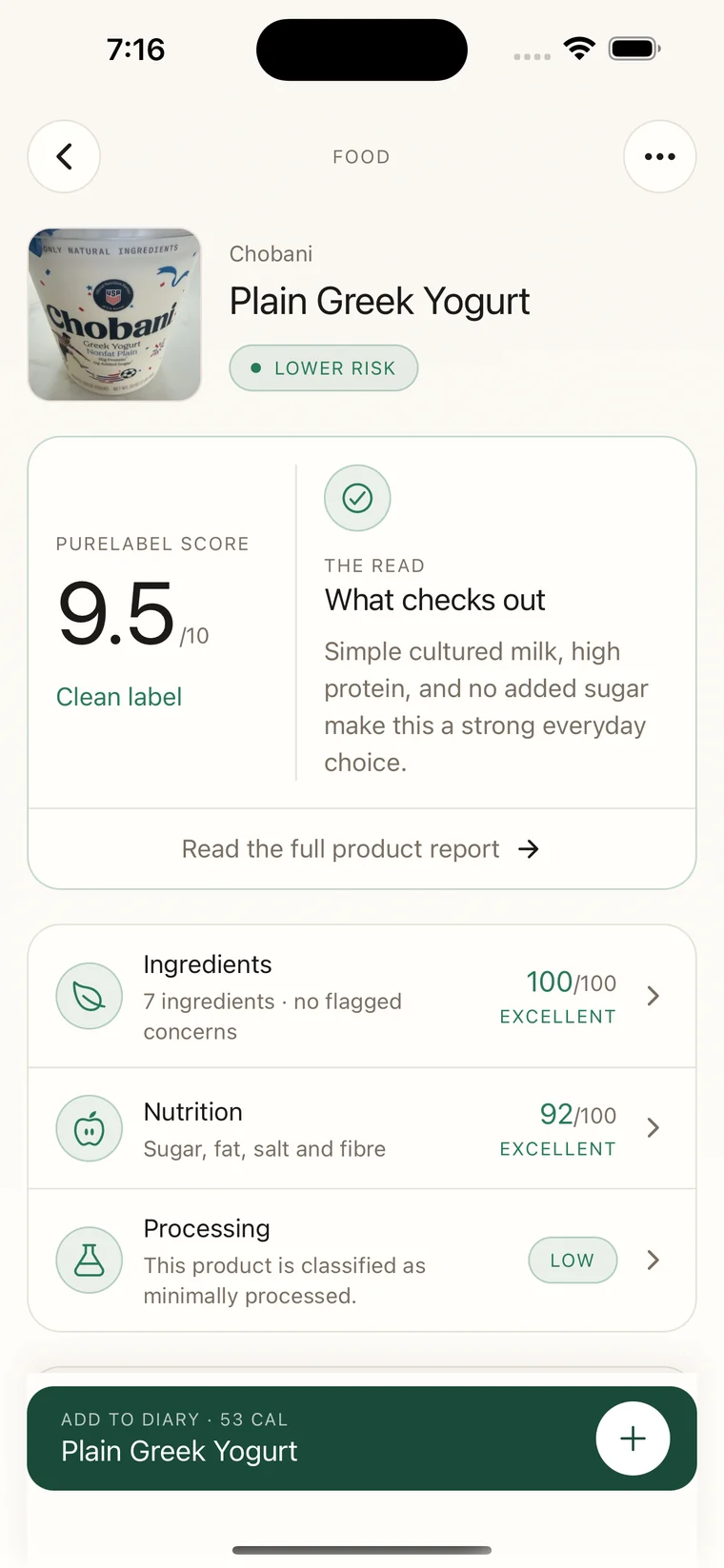
Proof through product
Shipped on the App StorePureLabel turns a food label into a clear answer.
Apex designed and built the product end to end — interface, scanning, data integrations, server-side AI, subscriptions, analytics, and release operations.
- A real mobile product, not a concept render
- Secure AI and data integrations behind the interface
- The same product discipline applied to client systems

From friction to working system
Clear from the first conversation to the final handoff.
No mystery process. No open-ended meter. Each stage ends with something you can review.
- UnderstandMap the real problem.Identify the bottleneck, the people involved, and the result worth paying for.
- BuildShip in visible increments.Review working progress, make decisions early, and always know what comes next.
- TransferOwn what was built.Your code, accounts, documentation, and training move with the finished system.
Before we talk
Clear answers, before a proposal.
The first conversation is for understanding the work and deciding whether Apex is the right fit.
How we handle your dataGrowing organizations that have outgrown spreadsheets and disconnected subscriptions — typically professional services, healthcare, financial and business services, real estate, retail, logistics, and SaaS companies. The common factor is a process that matters and no longer scales, not a particular headcount.
We score each candidate process on volume, variability, number of handoffs, and consequence of error, then check three practical constraints: whether the data exists in usable form, whether the systems expose an API, and whether there is a named owner. Processes that fail those checks get fixed or simplified before anything is automated.
Yes, and it is usually the cheaper path. Extending platforms you already pay for through their APIs beats replacing them in most cases. We only recommend new tooling when the current stack genuinely cannot express what the process needs.
Yes — grounded in your documented knowledge, scoped by role-based permissions enforced at retrieval, connected to your systems through explicit tools, with human approval on consequential actions and full logging. These are business systems rather than chatbot widgets, and they are scoped and tested accordingly.
Least-privilege access, scoped API credentials held in managed secret storage rather than in code, encryption in transit and at rest, data minimization so a workflow moves only the fields it needs, and logging so any action can be traced. Our full approach is set out on the security page.
Make the technology underneath your business pull its weight.
Tell us where the work slows down. We will give you a direct read on the best first move and whether it is worth building.